



 +33 680 38 14 46


A new method to ensure that organic vegetables are truly organic


Denmark
Monday 02 September 2019
FJ
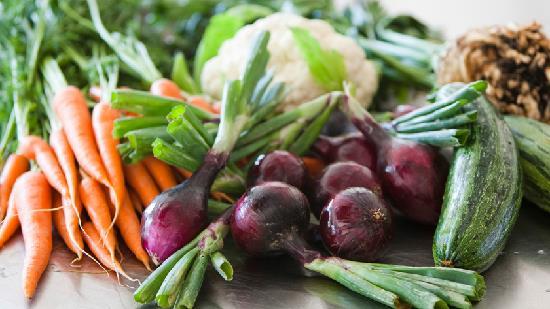
Researchers in Denmark have developed a safer method of knowing whether organic vegetables are truly organic (Photo: foedevarestyrelsen.dk).
The increased consumer demand for organic products has led to fraud where products from conventional agriculture are presented as being from organic farming. To combat this fraud and ensure the authenticity of biological products researchers at the University of Copenhagen (Denmark) have developed a new method.
A research group at the University of Copenhagen has developed an analytical method to indicate whether organic fruit and vegetables are actually organic. The new method focuses on the isotopic signature in a plant by isolating sulfate, a chemical compound that can reveal how a particular plant has been grown. The trials focused on potatoes, carrots and cabbages.
The current way of determining whether a product is organic or not is to identify pesticide residues. But this method is far from safe, the use of pesticides on a neighboring field of organic crops can alter the results.

According to the researchers, their method does not reveal whether pesticides have been used, but whether organic plants have been fertilized properly. It complements existing analytical controls and, on the whole, provides a much more detailed picture of the culture's history.
The research group is currently working with the Danish Veterinary and Food Administration. This method is ready to be tested, approved and used by public bodies and importers.
source : news.ku.dk, sciencedirect.com