
News
​
​
Search
EnglishEnglish
contactLogo
News
​
​
Search
  • Buyers Alert
  • Sales Offers
  • News
  • Register your Company
  • Events
  • Retail Partners
  • Solutions
  • About Us
  • Advertise
scroll-leftscroll-right

JOIN OUR NEWSLETTER FOR FREE
Register now to receive latest News and Opportunities of fruit-vegetables market

Register now to join The world’s leading B2B website for fruit and vegetables.

  • Quick Links
  • Buyers Alert
  • Sales Offers
  • News
  • Events
  • Retail Partners
  • Solutions
  • About Us
  • Contact Us
  • Subscriptions
  • Free Member
  • Silver Member
  • Gold Member
  • Platinum Member
  • Industries
  • Fruits & Vegetables
  • Transports & Logistics
  • Pre - Post Harvest
  • Retail Chains
  • Advertise
  • Website
  • Newsletter
  • Print Directory
  • Terms of Use
    • Privacy Policy
    • Legal Mentions
    • Cookie Policy
    • Cookie Preferences

  • Contact Us
    • +33 680 38 14 46
    • cd@fructidor.com

Copyright 2025 @ Fructidor. All rights reservedTerms and Conditions

The European Union forbids imports of seeds from Egypt

share
All countries
Wednesday 06 July 2011

MD

News Image
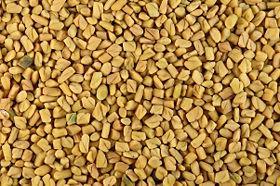
The E.coli bacteria can survive for years within the seeds. The addition of water during germination is sufficient to wake up the bacteria and allows them to multiply quickly.

Brussels has decided to forbid imports of seeds from Egypt until October 31st.


The EFSA, European Agency for Food Safety, established a direct link between the deadly epidemic that hit Germany and France and fenugreek seeds imported from Egypt. The European Commission has demanded the withdrawal of Egyptian seeds of the European market and the temporary ban, until October 31st, of all imports of seeds and grains from Egypt.

 

If fenugreek seeds have been contaminated during production in Egypt, the bacteria E. coli have the ability to survive for years under the envelopes of seeds. The addition of water during germination is sufficient to wake up the bacteria and allows them to multiply quickly in the seed germinated.


source : le figaro, ladepeche, lepoint, 20 minutes